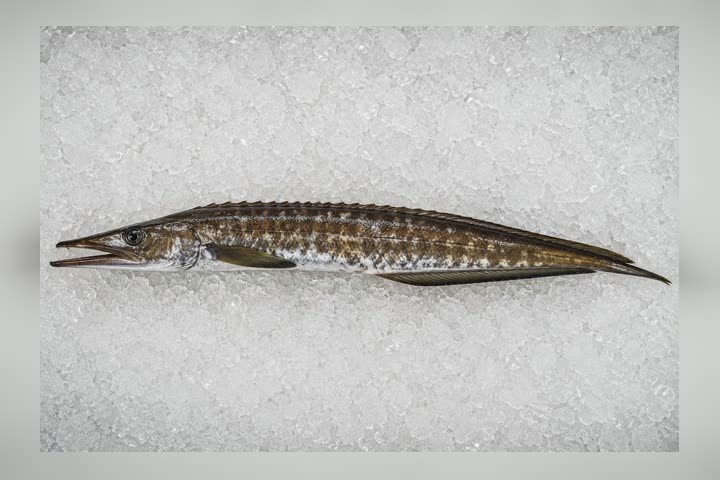
Tokubire / Hakkaku - Sailfin poacher Wild
Home / Catalog / Tokubire / Hakkaku
トクビレ、ハッカク

Tokubire / Hakkaku

Sailfin Poacher
Hokkaido, Japan Wild Fish Wild
Size Range
200g-500g
Availability
Daily / Year-round
Forms Available
Whole, Fillet
Shipping
Fresh (Air) / Frozen
Request today's price Japanese seafood supplier & exporter in Fukuoka

A Prized Japanese Fish

Tokubire / Hakkaku (Sailfin Poacher) is a prized wild-caught fish from Japan's premier seafood regions, caught by traditional line and net methods in the waters off Hokkaido. It has long held a place in Japanese cuisine for its clean flavor and versatile culinary character.

The flesh of Tokubire / Hakkaku is characteristic of well-handled Japanese fish — firm, cleanly flavored, and versatile enough to work equally well in raw preparations (sashimi, sushi) as in cooked forms (grilled, simmered, fried). Wild specimens carry the depth of flavor that comes from a natural ocean diet and healthy habitat.

Advance Intertrade sources Tokubire / Hakkaku from Hokkaido, buying from daily auctions of line-caught and net-caught specimens. Shipped fresh via air freight to preserve the peak quality that Tokubire / Hakkaku deserves, with frozen options available for markets requiring extended shelf life.

How It's Served

  • Sashimi & Sushi

    Sliced thin to showcase the clean, subtly sweet flesh — the definitive way to appreciate quality Japanese fish. Paired with wasabi and soy, or dressed with citrus salt.

  • Shioyaki (Salt-Grilled)

    The most beloved home preparation — simply salted and grilled until the skin crisps and the flesh remains moist. The purity of the fish shines through.

  • Nitsuke (Simmered)

    Simmered in sweet soy-mirin broth with ginger — a classic Japanese preparation that gently coaxes maximum umami from the fish while keeping the flesh tender.

  • Nabe (Hot Pot)

    A prized ingredient in winter nabe — the head and bones create a rich broth, while the flesh remains tender and sweet in the simmering dashi.

Quick facts

Japanese name八角 (hakkaku) / トクビレ (tokubire)
English nameSailfin poacher
Scientific namePodothecus sachi
Why the nameHakkaku means “eight corners”, from its octagonal body; tokubire refers to the males' large fins
Peak seasonAutumn to winter
Taste & textureFirm white flesh with good fat and a clean, sweet taste
Best forGunkan-yaki (split, filled with miso and grilled), sashimi, salt-grilling
Our sourcingHokkaido · 200–500 g

Frequently asked questions

What is hakkaku fish?

Hakkaku (also called tokubire) is the sailfin poacher, a fish from the cold waters around Hokkaido. Its name means “eight corners” because its body is octagonal in cross-section. It is prized in Hokkaido for its firm, fatty white flesh.

How is hakkaku eaten?

The best-known dish is gunkan-yaki: the fish is split open, filled with miso and grilled. Very fresh hakkaku is also eaten as sashimi, and it is excellent simply salt-grilled.

Can I import hakkaku from Japan?

Yes. Advance Intertrade sources hakkaku from Hokkaido and air-ships it to buyers overseas. Contact us for current availability, sizes and prices.

Export & Sourcing Details

HS Code
0302.89 (Fresh) / 0303.89 (Frozen)
Seasonality
Jan
Feb
Mar
Apr
May
Jun
Jul
Aug
Sep
Oct
Nov
Dec
Sailfin poacher — winter peak (Hokkaido).
Size Grading
SizeGradeCommon Use
200–300gSmallIndividual portions, casual use
300–400gMediumSashimi, sushi — most popular
400–500gLargePremium presentations, restaurants
500g+JumboHigh-end restaurants, luxury use
Available Forms
Whole, Fillet
Packing & Cold Chain
EPS (styrofoam) box with gel ice for fresh product. Individual wrapping for premium sizes. Vacuum-sealed for frozen at −40°C blast freeze.
Sourcing Region
Line-caught from waters off Hokkaido, Japan. Daily auction sourcing ensures pristine freshness.
Minimum Order
From 1 box (approx. 3–5 kg). Bulk orders welcome for regular customers. Contact us for current pricing.
Interested in Tokubire / Hakkaku?

Tell us your target size, preferred form, quantity, and destination airport. We'll send you pricing and availability within 24 hours.

Contact Us